
Introduction to Gunung Leuser National Park
Gunung Leuser National Park, located in Northern Sumatra, Indonesia, is a UNESCO World Heritage site recognized for its rich biodiversity. The park spans over 1,200 square kilometers and is characterized by lush rainforests, mountainous terrain, and an astounding variety of flora and fauna. This area is a biodiversity hotspot, making it a crucial conservation site and an intriguing place for nature enthusiasts.
Unique Wildlife of Gunung Leuser
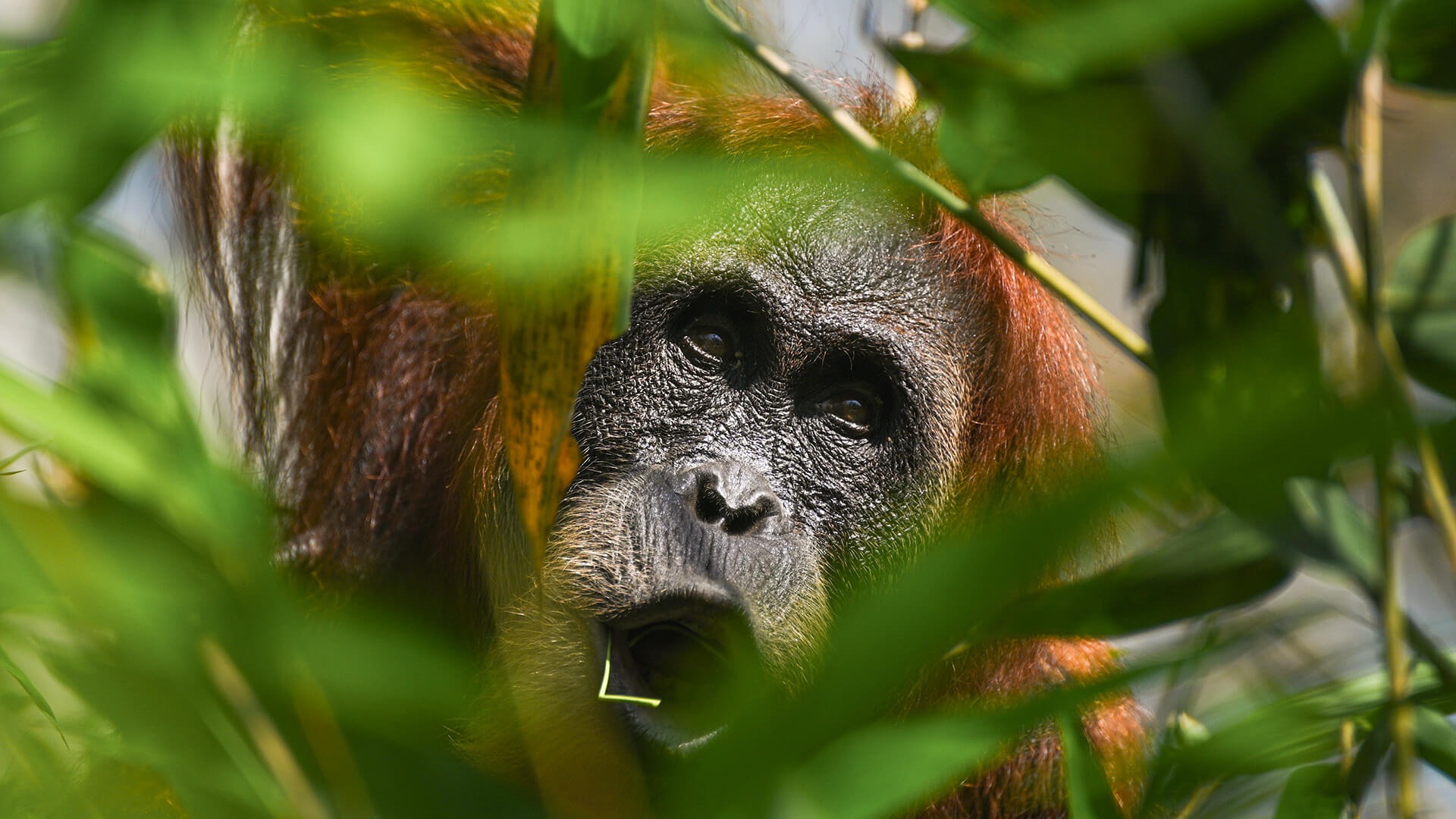
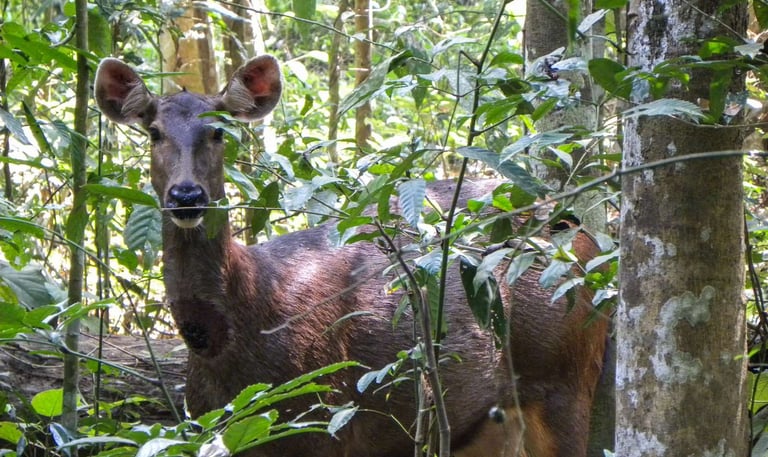
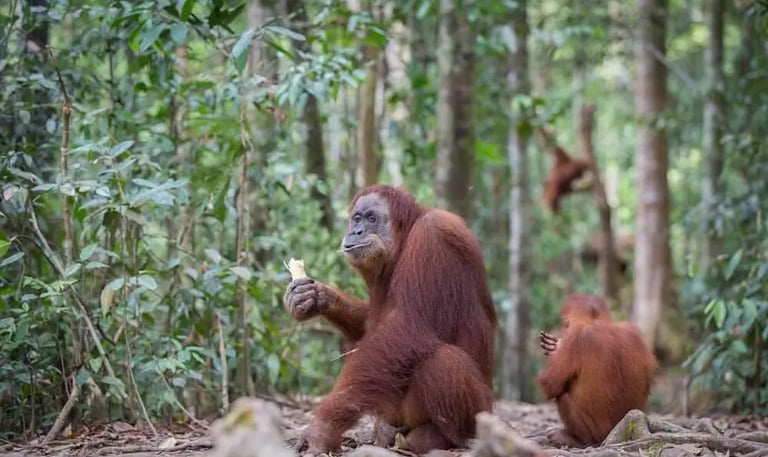
The animal kingdom of Gunung Leuser is extraordinary. It is home to numerous endemic and endangered species. Among the most notable are the Sumatran orangutan, Sumatran tiger, and the critically endangered Sumatran elephant. The park serves as an essential refuge for these species, playing a vital role in their conservation. The orangutans, for instance, are often spotted hanging from branches, swinging gracefully as they forage for fruit high up in the canopy.
In addition to larger mammals, Gunung Leuser is also teeming with smaller wildlife. Rare species such as the Sumatran rhinoceros and the sun bear can be found here. The park's ecosystem supports over 200 species of birds, including the majestic hornbill, which is known for its striking bill and vibrant colors. Such diversity makes Gunung Leuser a dream destination for bird watchers and wildlife photographers.
Conservation Efforts and Challenges
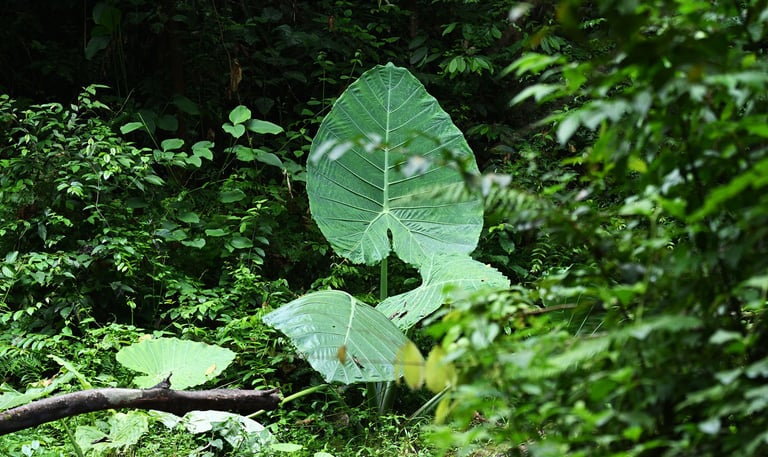
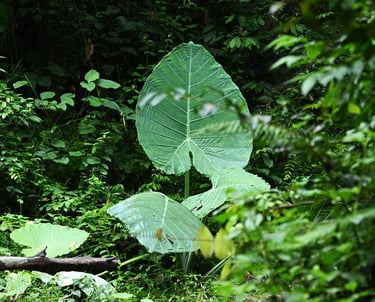
Despite its rich biodiversity, Gunung Leuser National Park faces significant challenges, primarily due to deforestation and habitat destruction. Illegal logging and the encroachment of agriculture threaten the delicate ecosystems found within the park. Conservation efforts are actively underway, involving local communities and international organizations aimed at protecting the wildlife and their habitats.
Various initiatives focus on promoting sustainable tourism, which can help fund conservation efforts while also supporting local economies. Engaging in eco-tourism provides a source of income to the local population while allowing them to appreciate and protect their natural surroundings. By raising awareness about the importance of biodiversity, these efforts may have a long-term impact on preserving the unique wildlife of Gunung Leuser.
Conclusion: A Biodiversity Treasure
Gunung Leuser National Park is undoubtedly a biodiversity treasure, housing some of the most unique animal species in the world. Its rich ecosystems must be preserved not only for the wildlife but also for future generations to experience the wonders of nature. By promoting awareness, engaging in conservation efforts, and encouraging sustainable practices, we can all play a part in ensuring that Gunung Leuser remains a sanctuary for its incredible wildlife.
Contact
Phone
bukitlawangtrekkings@gmail.com
+62 821 3474 0414
Copyright © Bukit Lawang Trekking 2026


PT Bukit Lawang Trekking
Based in Indonesia, North Sumatra, Bukit Lawang Station Orangutan.
North Sumatra 20774