
Essential Travel Tips for Trekking in Sumatra


Understanding the Sumatran Jungle Environment
The Sumatran jungle presents a rich and diverse ecological setting, characterized by its tropical climate. This region is known for its hot, humid, and wet conditions, which are essential elements that define the trekking experience. The temperature in Sumatra typically ranges between 25°C to 35°C (77°F to 95°F), and humidity levels can often exceed 80%, creating a steamy atmosphere that can be both invigorating and challenging for trekkers.
A vital aspect of trekking in Sumatra is the importance of acclimatization. Those embarking on treks should allow their bodies to adjust to the heat and humidity, as these conditions can lead to dehydration and fatigue. It is advisable to engage in physical preparation prior to the trek, as a good fitness level will help in managing the strenuous trails typical of the Sumatran jungle.
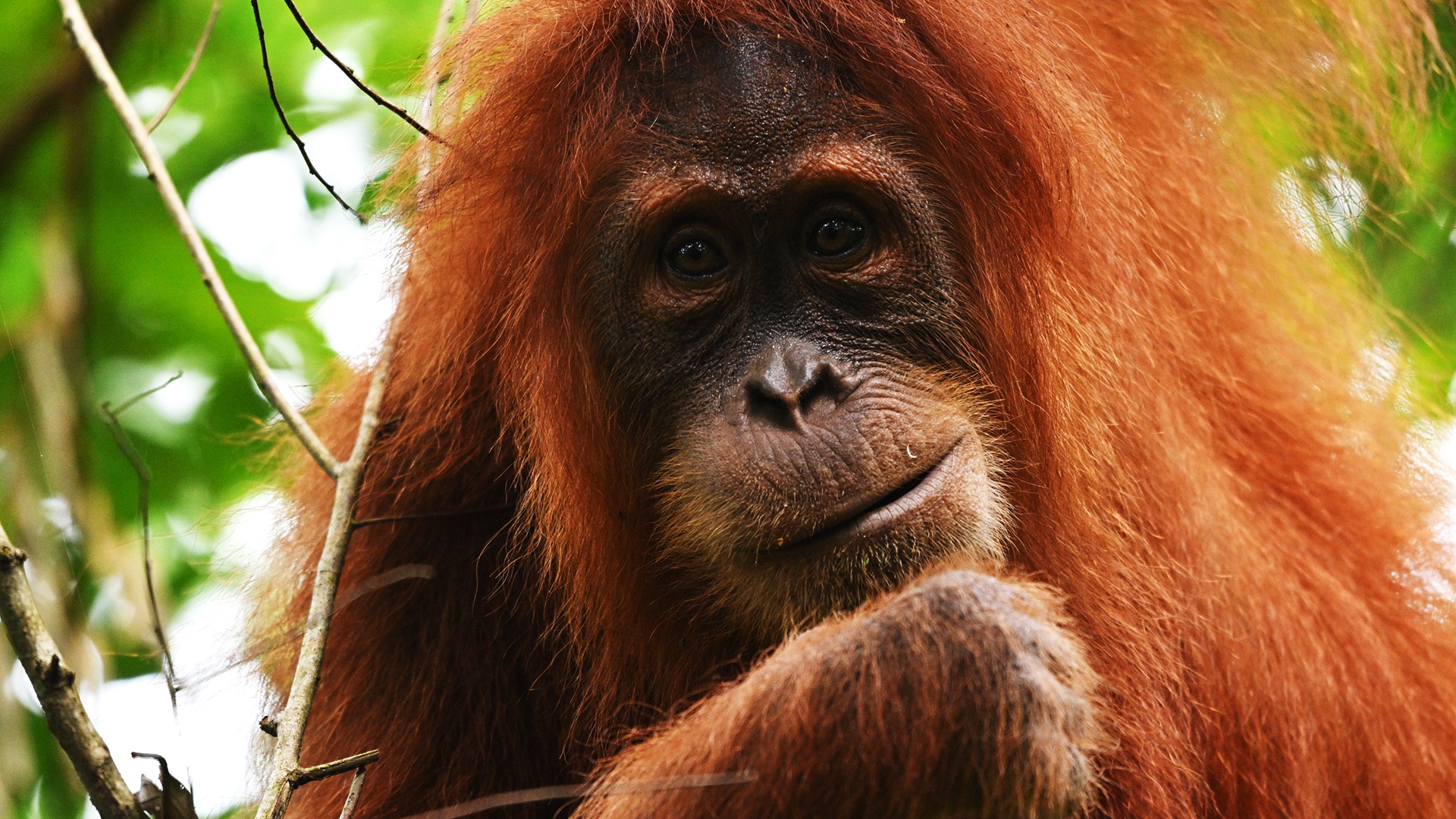
The rainforest ecosystem in Sumatra is one of the most biodiverse in the world, housing a plethora of wildlife species. Trekkers may have the opportunity to observe various animals, including orangutans, tigers, and elephants, along with countless bird species unique to the region. The sound of chirping birds and rustling leaves creates a natural symphony that enhances the trekking experience. However, it is crucial for trekkers to maintain a respectful distance from wildlife to ensure safety for both themselves and the animals.
In summary, understanding the unique tropical climate and the intricacies of the Sumatran jungle environment is vital for an enjoyable trekking experience. Preparing physically and being aware of the rich fauna will not only enrich your journey but also fortify your expedition through this magnificent landscape.
Trekking Equipment Essentials
When embarking on a trekking adventure in Sumatra's jungles, packing the right equipment is critical. The humid and wet climate of this region can present significant challenges, making it essential to choose clothing, footwear, and gear that optimize comfort and safety.
Begin with clothing that emphasizes lightweight and moisture-wicking properties. Fabrics such as polyester or nylon are preferred as they help to keep moisture away from your skin, ensuring you remain dry and comfortable throughout your trek. Long-sleeved shirts and long pants provide protection from insects and thorns while also safeguarding against sun exposure. Consider packing a lightweight rain jacket as sudden downpours are common in tropical climates, and staying dry is paramount for maintaining your overall health during the trek.
Footwear plays a crucial role in trekking, and investing in a pair of durable, waterproof hiking boots is highly recommended. Look for boots that provide excellent ankle support and traction, as the terrain can be rugged and slippery due to the wet conditions. Ensuring a proper fit is essential to prevent blisters which can impede your trekking experience. In addition to boots, pack moisture-wicking socks and comfortable sandals for crossing rivers or relaxing at campsite.
Don't overlook the importance of gear that enhances safety and comfort. A reliable trekking pole can help navigate uneven terrain and provide stability. Additionally, packing a lightweight backpack designed to distribute weight evenly can alleviate strain on your back and shoulders. Always include essential items such as a first-aid kit, a water purification system, and insect repellent, as these can make a significant difference in the overall trekking experience.
Finally, when packing, consider the principles of sustainability. Opt for reusable containers for food and water, and pack only what is necessary to minimize your environmental impact. By carefully selecting and efficiently packing your trekking gear, you can ensure a safe and rewarding expedition through the breathtaking landscapes of Sumatra.
Health and Safety Guidelines
When embarking on a trekking adventure in Sumatra, it is paramount to prioritize health and safety to ensure an enjoyable experience. Vaccinations play a crucial role in protecting travelers from infectious diseases common in the region. It is advisable to consult with a healthcare professional weeks before departure to determine which vaccinations, such as Hepatitis A and typhoid, are recommended based on individual health history and travel plans.
In addition to vaccinations, carrying necessary medications is essential. Trekkers should pack a sufficient supply of personal medications, such as anti-malarials, as malaria is prevalent in some parts of Sumatra. Insect repellent containing DEET is crucial for protection against mosquito bites, which can transmit viruses and diseases. Furthermore, a well-stocked first aid kit is indispensable in the event of minor injuries or ailments. Key items to include are adhesive bandages, antiseptic wipes, pain relievers, and any specific supplies tailored to personal medical needs.
Awareness of potential hazards while trekking is vital. Travelers should stay on marked trails to avoid getting lost and refrain from trekking alone, as having a companion enhances safety. It is recommended to inform someone about your trekking plans and estimated return time. Additionally, stay vigilant for wildlife, ensure food is prepared safely to avoid foodborne illnesses, and always be cautious around rivers and steep terrain.
Hydration cannot be overstated, especially in a humid tropical climate such as Sumatra. Trekkers are encouraged to drink plenty of fluids, ideally purified water, to prevent dehydration which can lead to heat exhaustion. It is wise to carry water purification tablets or a filtration system to ensure safe drinking water while on the trek. By adhering to these health and safety guidelines, trekkers can significantly enhance their experience and well-being in the stunning landscapes of Sumatra.
Visa, Money, and Weather Insights for Travelers
When planning a trekking adventure in Sumatra, understanding the visa requirements is crucial. Travelers from various countries need to check whether they require a visa to enter Indonesia. Many nationalities, including those from the European Union, the United States, Canada, and Australia, can obtain a visa on arrival, which is valid for 30 days and can be extended once. However, travelers should confirm the latest regulations, as they may vary based on the geopolitical climate and health considerations.
In terms of managing finances, it is advisable to familiarize oneself with the Indonesian Rupiah (IDR), the local currency. Currency exchange can be performed at airport kiosks, banks, and licensed money changers. While exchanging cash, always be mindful of the rates offered to avoid unfavorable exchanges. Additionally, ATMs are widely available in urban areas, including major tourist spots in Sumatra; however, it is prudent to withdraw cash in larger amounts rather than multiple smaller transactions to save on fees. Credit cards are accepted in many establishments, yet it remains essential to keep some cash for expenses in rural areas, where card acceptance may be limited.
When considering the best time to visit Sumatra for trekking, it is essential to take into account the island's tropical climate. The dry season, which spans from May to September, generally offers the most favorable trekking conditions. During these months, rainfall is minimal, which is ideal for exploring lush landscapes and reaching various trekking destinations without obstacles presented by inclement weather. Conversely, visiting during the wet season, from October to April, may lead to less reliable trekking conditions, as heavy rains can cause trail erosion and increased mosquito activity. Therefore, planning your trip during the dry season enhances the likelihood of an enjoyable and successful trekking experience in Sumatra.
Contact
Phone
bukitlawangtrekkings@gmail.com
+62 821 3474 0414
Copyright © Bukit Lawang Trekking 2026


PT Bukit Lawang Trekking
Based in Indonesia, North Sumatra, Bukit Lawang Station Orangutan.
North Sumatra 20774