
Wildlife of Gunung Leuser National Park
Introduction to Gunung Leuser National Park
Gunung Leuser National Park, located on the island of Sumatra, Indonesia, is a prominent protected area renowned for its extensive biodiversity and significant ecological role. The park spans over 1 million hectares, straddling the provinces of Aceh and North Sumatra, and is part of the larger Leuser Ecosystem, which is one of the last remaining tropical rainforest regions in the world. Its geographical diversity includes mountains, valleys, rivers, and dense forests, creating a myriad of habitats that support numerous species.
Designated as a UNESCO World Heritage site in 2004, Gunung Leuser National Park holds critical importance not only for Indonesia but also for global conservation efforts. The park's designation emphasizes its critical role in preserving the unique flora and fauna that thrive within its boundaries. The geographical location of the park, bridging the tropical rainforest and mountainous terrain, offers climate and habitat variances that contribute to its rich biodiversity, which includes endangered species such as the Sumatran orangutan, and the Sumatran tiger.
The historical context of Gunung Leuser National Park is equally remarkable. Established as a national park in 1980, efforts to protect the area have evolved over the decades in response to growing environmental concerns. The park has faced numerous threats due to deforestation, illegal logging, and agricultural encroachments. However, sustained conservation initiatives have been implemented, aiming to preserve this vital ecosystem, while simultaneously promoting ecotourism and sustainable livelihoods for local communities.
As a natural treasure trove, Gunung Leuser National Park serves as an important site for research, conservation, and education, highlighting the interconnectedness of wildlife, habitat preservation, and human activity. The unique biodiversity, alongside its status as a key conservation area, underscores the necessity for continued efforts to protect such invaluable environments.
Ecological Zones of the Park
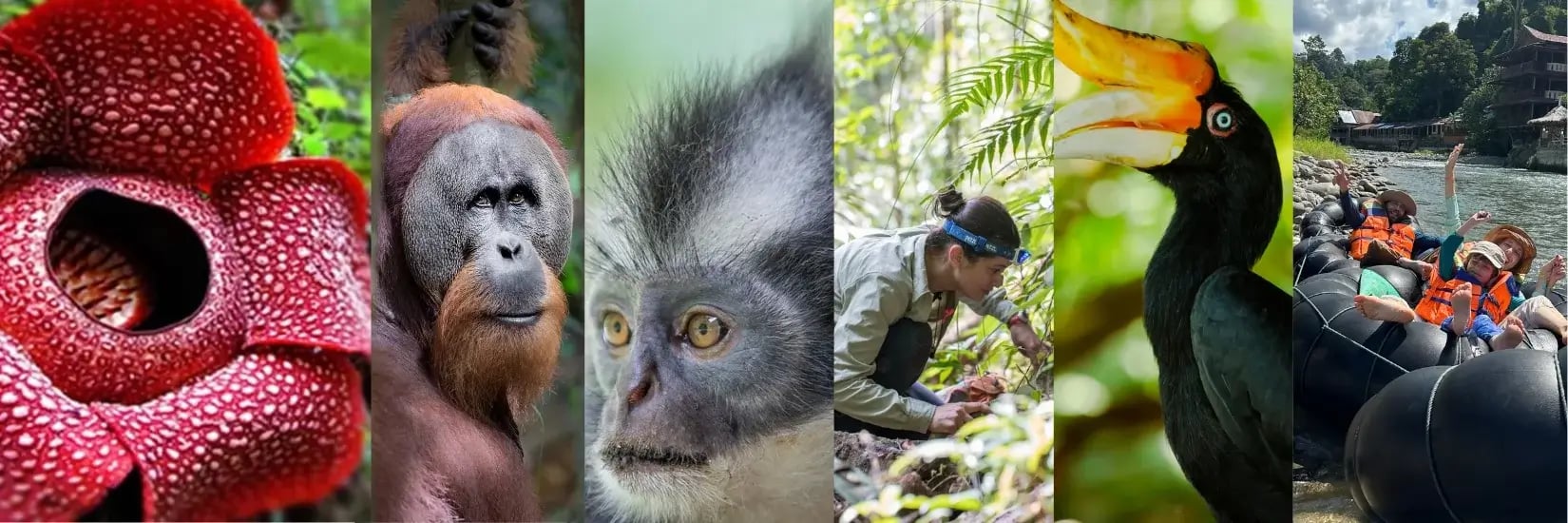
Gunung Leuser National Park is a treasure trove of biodiversity, distinguished by its various ecological zones that support a rich array of wildlife habitats. The park is primarily characterized by tropical rainforests, montane forests, and riverine zones, each contributing uniquely to the overall ecosystem. The tropical rainforests, which envelop the lower elevations of the park, are characterized by dense vegetation and high humidity. This zone serves as a critical habitat for countless species, including orangutans, gibbons, and a plethora of bird species. The towering trees and thick underbrush provide both food and shelter, facilitating the complex interactions among different species.
As the elevation increases, the landscape transitions into montane forests. These forests possess a cooler climate and distinct vegetation that varies from the lowland rainforests below. The montane zone is recognized for its unique flora, such as various species of rhododendrons and orchids, which attract a diverse array of fauna. Here, visitors may encounter species like the endangered Sumatran tiger and the elusive clouded leopard, which take advantage of the diverse structural habitat offered by these higher elevations.
The riverine zones of Gunung Leuser National Park further enhance its ecological diversity. These zones, defined by the presence of rivers and streams, not only provide crucial water sources but also create unique habitats that support aquatic species and terrestrial wildlife. The riparian vegetation along these waterways plays an essential role in maintaining ecosystem health, offering food and shelter while facilitating wildlife movement. Together, these ecological zones form a complex and interconnected environment, where diverse species coexist and thrive, making Gunung Leuser National Park a vital conservation area.
Iconic Wildlife Species
Gunung Leuser National Park is a crucial habitat for numerous iconic wildlife species, each playing a significant role in its diverse ecosystem. Among these species are the critically endangered orangutans, Sumatran elephants, and Sumatran tigers, all of which are symbols of the extraordinary biodiversity that the park supports.
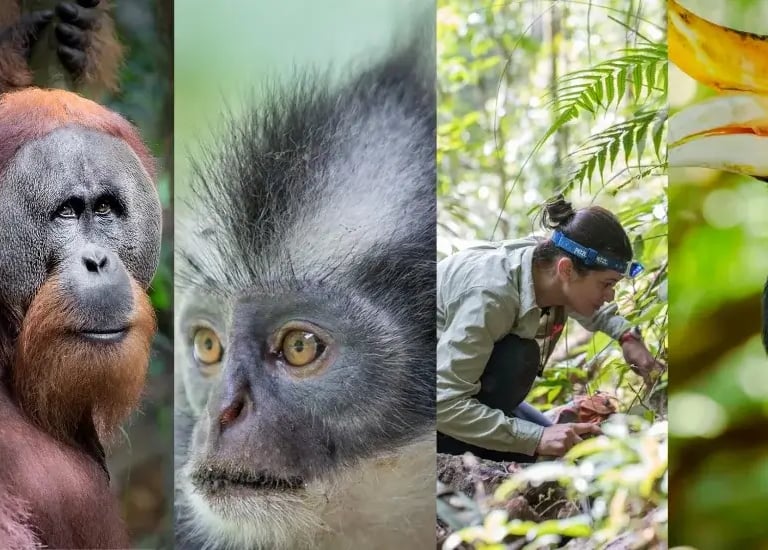
The Bornean orangutan (Pongo pygmaeus), which has its stronghold within the lush rainforests of the park, is known for its remarkable intelligence and distinctive reddish-brown fur. These great apes are primarily arboreal, spending most of their time in trees where they build nests for sleeping and foraging for fruit, leaves, and insects. Unfortunately, their population is under severe threat due to habitat loss driven by illegal logging and palm oil plantation expansion. Conservation efforts are underway to protect their habitats and mitigate the impacts of human activities, fostering a hopeful outlook for their survival.
Next, the Sumatran elephant (Elephas maximus sumatranus), a smaller subspecies of the Asian elephant, is another iconic resident of Gunung Leuser National Park. These elephants are known for their matriarchal social structure, traveling in herds led by older females. They play a pivotal role in the ecosystem by helping to maintain forest health through seed dispersal. Like orangutans, Sumatran elephants are facing critical endangerment largely due to habitat encroachment and fragmentation, which disrupt their natural movement and feeding patterns. Effective conservation strategies include community engagement and habitat restoration projects that aim to protect their living environment.
Finally, the elusive Sumatran tiger (Panthera tigris sumatrae) is a key predator within this tropical forest. Renowned for its striking coat and powerful physique, the Sumatran tiger is critically endangered, with habitat destruction and poaching being principal threats. These tigers are solitary animals that require vast territories to hunt effectively and maintain their population. Conservation organizations are actively working to bolster anti-poaching patrols and enhance protected areas within the park to ensure the continued survival of these majestic creatures.
Endangered Species and Conservation Efforts
Gunung Leuser National Park, located in Sumatra, Indonesia, is recognized as a vital sanctuary for numerous endangered species. Among these, the critically endangered Sumatran orangutan, Sumatran tiger, and the pygmy elephant are prominent examples of the biodiversity that the park harbors. The unique ecosystems within the park serve as crucial habitats for these species, making their conservation essential not only for their survival but also for maintaining ecological balance.
Conservation efforts are currently facing significant challenges, primarily driven by habitat destruction. Deforestation for agricultural practices, particularly palm oil plantations, is rapidly decreasing the area available for wildlife. This loss of habitat severely impacts the survival rates of species, resulting in fragmentation of populations and increased human-wildlife conflicts as animals venture into human settlements in search of food.
Another pressing issue is poaching, which directly threatens various species within the park. Illegal hunting for bushmeat and the trade of animal parts poses a significant risk to endangered populations. Moreover, climate change introduces additional stressors, altering habitats and food availability, thereby exacerbating the challenges faced by these vulnerable species.
In response to these threats, concerted conservation efforts are underway within Gunung Leuser National Park. Local and international organizations are collaborating to implement protection measures, including anti-poaching patrols and community education programs aimed at promoting sustainable practices. Reforestation initiatives are also being conducted to restore damaged habitats, providing a more secure environment for the endangered species that inhabit this critical area.
Additionally, raising awareness of the ecological importance of Gunung Leuser National Park is vital in garnering support for these efforts. Engaging the local communities in conservation activities promotes stewardship and ensures the long-term preservation of these endangered species and their habitats.
Birdlife in Gunung Leuser National Park
Gunung Leuser National Park, part of the UNESCO World Heritage-listed Tropical Rainforest Heritage of Sumatra, is renowned for its rich biodiversity, particularly its avian inhabitants. This park is home to an astonishing variety of bird species, with estimates suggesting over 300 different types of birds can be found within its boundaries. Among these species, certain birds are endemic to the region, meaning they are not found anywhere else in the world, while others are migratory, visiting the park during specific seasons.
Among the endemic species, the Sumatran ground-cuckoo and the white-winged duck stand out for their rarity and beauty. These birds, along with others such as the great argus and various hornbills, play crucial roles in maintaining the ecological balance within the park. Their feeding habits contribute to seed dispersal and the overall health of the forest, emphasizing their importance in Gunung Leuser's delicate ecosystem.
Birdwatching is emerging as a vital eco-tourism activity within Gunung Leuser National Park. Enthusiasts from around the globe are drawn to this vibrant habitat to observe the unique birdlife, contributing to conservation efforts and local economies. Trails such as the Bukit Lawang and the Bohorok River are popular spots for birdwatchers, providing opportunities to spot not just birds but other wildlife as well. The activity also fosters a greater understanding of the park's ecosystems, highlighting the interdependence of various species within this biodiversity hotspot.
Overall, the diverse birdlife of Gunung Leuser National Park, with its endemic and migratory species, underscores the ecological significance of the area. The park serves as a haven for these birds while simultaneously presenting an invaluable opportunity for eco-tourism that promotes conservation awareness and supports sustainable practices among local communities.
The Importance of Biodiversity for Local Communities
The Gunung Leuser National Park, recognized as a global biodiversity hotspot, plays an integral role in supporting the local communities that inhabit its vicinity. The park is home to an array of flora and fauna, contributing not only to the ecological health of the region but also significantly impacting the livelihoods of indigenous populations. The biodiversity within the park provides various resources that are essential for everyday life, including food, medicine, and materials for traditional practices.
Wildlife, such as the orangutans, tigers, and elephants that inhabit the park, is central to the cultural identity of the local communities. These species are often intertwined with the spiritual practices and mythologies of the indigenous people, fostering a distinct relationship that emphasizes their role as stewards of the land. By conserving this biodiversity, local communities help preserve their cultural heritage while also ensuring the sustainability of their livelihoods.
Additionally, the park’s rich biodiversity supports ecotourism opportunities, which can provide alternative income sources for local residents. Tourists seeking to experience the incredible array of wildlife contribute to the local economy, thereby enabling communities to benefit financially without compromising the ecological integrity of the park. This symbiotic relationship underscores the importance of biodiversity not only for environmental health but also for the socio-economic development of indigenous populations.
Furthermore, maintaining the integrity of ecosystems within Gunung Leuser National Park is crucial for agricultural practices that rely on native plants and wildlife. Pollination, pest control, and nutrient cycling, all facilitated by diverse species, are essential for the success of local farming systems. Therefore, the preservation of biodiversity is not just an environmental issue but a cornerstone of local livelihoods and culture.
Exploring Gunung Leuser: Eco-Tourism and Wildlife Observation
Gunung Leuser National Park, a UNESCO World Heritage Site, is a premier destination for eco-tourism enthusiasts. This vast tropical rainforest teems with biodiversity, making it an ideal location for wildlife observation. Eco-tourism in this region not only provides visitors with remarkable experiences but also plays a crucial role in the conservation of its unique ecosystems. The park is home to a variety of species, including orangutans, elephants, and numerous birds, offering ample opportunities for responsible wildlife viewing.
When planning a visit to Gunung Leuser National Park, several tour options are available. Guided tours are popular, as they allow visitors to explore the park with knowledgeable guides who can provide insights into the wildlife and their habitats Book with ( Bukit Lawang Trekking ) the Best Eco Ethical trekking. These guides follow strict ethical practices to minimize disturbance to the animals. Additionally, some tours focus on specific activities such as birdwatching or trekking, catering to varied interests among visitors.
It is essential to practice eco-friendly behaviors during your visit to preserve the delicate environment. Tourists are encouraged to stick to designated paths, respect wildlife by maintaining a safe distance, and avoid feeding animals. Such actions contribute to sustaining the natural behaviors of wildlife. Furthermore, travelers should opt for locally owned tour operators that prioritize conservation, ensuring that their tourism dollars support efforts to protect the park's biodiversity.
The significance of eco-tourism in Gunung Leuser cannot be overstated. By attracting visitors, the park generates revenue that funds conservation projects and enhances local communities' well-being. Moreover, eco-tourism raises awareness about environmental issues, fostering a culture of conservation among both locals and tourists. Engaging in responsible wildlife observation not only enriches the visitor experience but also reinforces the importance of preserving this remarkable landscape for future generations.
Contact
Phone
bukitlawangtrekkings@gmail.com
+62 821 3474 0414
Copyright © Bukit Lawang Trekking 2026


PT Bukit Lawang Trekking
Based in Indonesia, North Sumatra, Bukit Lawang Station Orangutan.
North Sumatra 20774