
Exploring the Tropical Rainforest Heritage of Sumatra
The Tropical Rainforest Heritage of Sumatra is a breathtaking natural treasure. Spanning approximately 2.5 million hectares, this UNESCO World Heritage site encompasses three prominent national parks: Gunung Leuser National Park, Kerinci Seblat National Park, and Bukit Barisan Selatan National Park.
Introduction to the Tropical Rainforest Heritage of Sumatra
The Tropical Rainforest Heritage of Sumatra is a breathtaking natural treasure. Spanning approximately 2.5 million hectares, this UNESCO World Heritage site encompasses three prominent national parks: Gunung Leuser National Park, Kerinci Seblat National Park, and Bukit Barisan Selatan National Park. This stunning area is recognized for its unique biodiversity and plays a crucial role in global conservation efforts.
Diverse Biodiversity
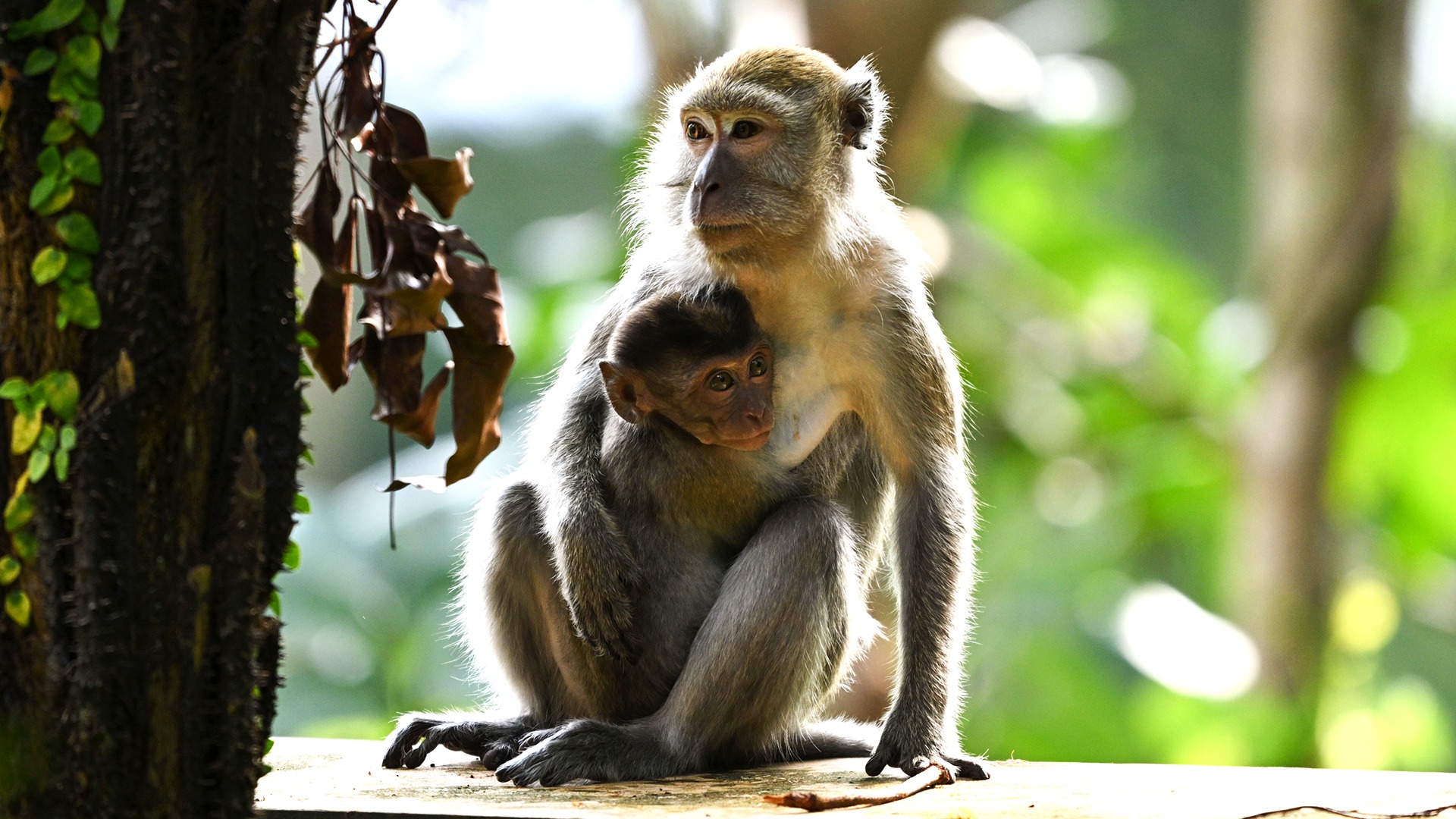
The site is home to an astonishing array of flora and fauna. With an estimated 10,000 plant species, including 17 endemic genera, the diversity of plant life in the tropical rainforest heritage of Sumatra is remarkable. Among the many species found here, there are over 200 mammal species and around 580 bird species, with 465 being residents and 21 endemic to the region. This makes it a vital habitat for many animals, some of which are endangered and unique to this part of the world.
Endangered Species and Conservation Efforts
Among the diverse animal population, 22 mammal species are exclusively Asian, with 15 being confined to the Indonesian region. Notably, the Sumatran orangutan is among the most illustrious residents of the rainforest. Conservation efforts in the area focus not only on preserving these extraordinary creatures but also on maintaining the ecological balance of the rainforest. Given the environmental pressures faced by the region, protecting this heritage site is paramount for future generations.
The Importance of Biogeography
The Tropical Rainforest Heritage of Sumatra also serves as an essential biogeographic location, providing invaluable evidence of the evolutionary processes that have shaped this unique island. The various ecosystems found within the national parks illustrate how flora and fauna have adapted to the diverse climatic conditions and landscapes. Understanding the biogeographical aspects of the rainforest enhances our knowledge of these ecosystems and stresses the importance of continued conservation.
Conclusion
In summary, the Tropical Rainforest Heritage of Sumatra is not only a haven for numerous species but also a critical component of our planet's biodiversity. Efforts to protect and conserve this area are of utmost importance, as they ensure the survival of countless species and contribute to the broader understanding of ecological and evolutionary dynamics. The continued safeguarding of this rich heritage is essential for promoting sustainable environmental practices and protecting the unique biota of Sumatra.
Contact
Phone
bukitlawangtrekkings@gmail.com
+62 821 3474 0414
Copyright © Bukit Lawang Trekking 2026


PT Bukit Lawang Trekking
Based in Indonesia, North Sumatra, Bukit Lawang Station Orangutan.
North Sumatra 20774